Takeaways from The Price of Privilege
As educators, we have been told repeatedly we must prioritize our at-risk students and do everything possible to help them…

As educators, we have been told repeatedly we must prioritize our at-risk students and do everything possible to help them…

For any attempt at goal setting with students to be meaningful, they need guidance. They need to know how to accurately and honestly reflect on their past performance and habits. They need help narrowing their personal goals down to something specific enough to achieve.
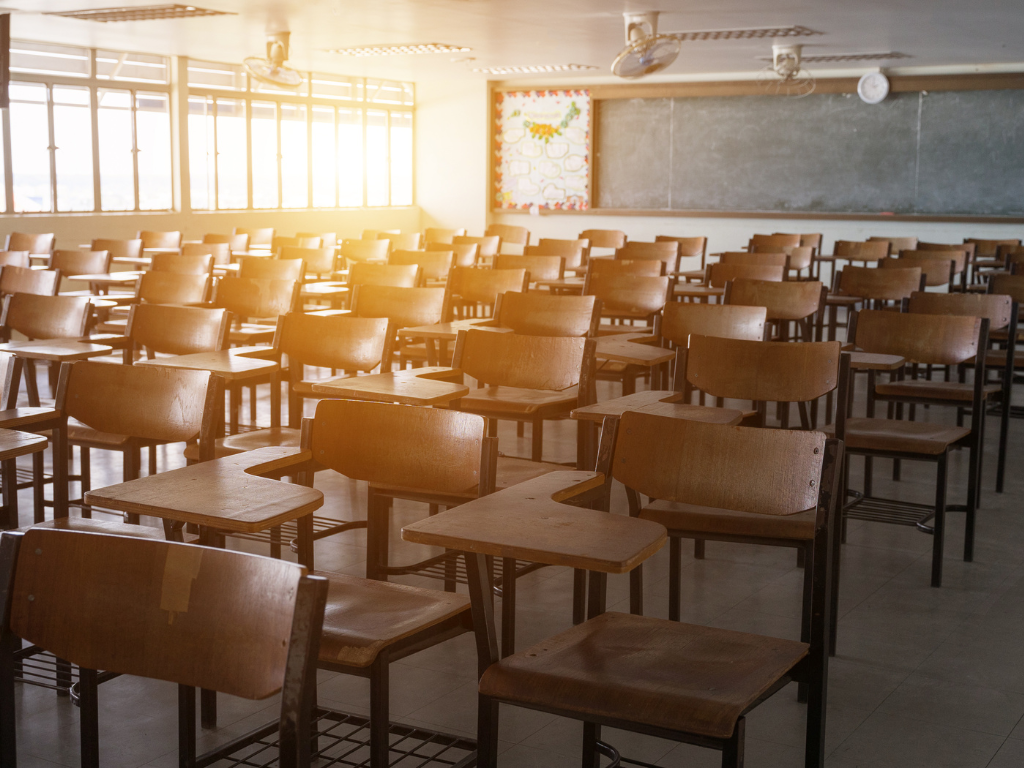
One part of a new school year that always seems to sneak up on us is Back to School Night. We forget (perhaps intentionally) that it’s coming, and then we’re scrambling to pull something together and enduring awkward presentations to the handful of parents who trickle through our doors each “period.”

The student with chronic absences is an entirely different situation altogether. This type of absent student is not the one who misses a week of class because of a particularly bad case of the flu, one with chronic absences tends to miss at least one, if not more, day every.single.week. It’s like they’re on a completely different calendar than the rest of us.

Sometimes it’s helpful to stop and think about another group who often doesn’t get the thanks they deserve: the students who quietly hang in there, day after day, not giving up despite the constant pull telling them they can and should, and that there are minimal consequences for doing so.

We’re sharing the guidelines we’ve developed for our remarks for student performance, both as a result of completing many forms ourselves and from seeing the feedback, useful and not so useful, provided at years of meetings.