
Engaging Books for Mature Young Adults
While books from the young adult genre are usually a safe bet when trying to make high-interest First Chapter Friday recommendations, those of us who teach older high school students sometimes want to give them a push into the larger literary world. There are so many books published each year that are really good, and while they won’t appeal to (or be appropriate for) all our students, they can be great books for mature young adults (sounds so fancy, right?).
As tricky as it can be to recommend books for mature young adults that will capture their interest and challenge their reading or critical thinking abilities while still containing developmentally appropriate content, the five books on this list are titles we would feel comfortable recommending to our older students, though you will, of course, want to use your professional judgment and knowledge of your students to decide what to share in your classroom. (You might want to check out our science fiction recommendations for these students as well.)
5 Books for Mature Young Adults

Imagine waking up one morning to find a box at your door containing a string that reveals the length of your life. Now imagine every human in the world over the age of 22 receiving their own box. At first, it’s unclear exactly what the different lengths of string mean, but as scientists work to understand them, people can precisely calculate the length of their remaining lives, and there’s nothing they can do to change things. What would you do with the time that remains? What would the world look like as societies and governments tried to adapt to this new way of life?
Told from a number of perspectives, Erlick’s novel weaves together the overlapping stories of “short-stringers,” “long-stringers,” and people who refuse to open their boxes, all trying to navigate this new world. The book makes readers think not only about what they would do (and whether they would want to know) in a similar circumstance, but it paints an uncomfortably realistic picture of the ways in which America, as a country, would use (and misuse) this information. What could be a bleak story is ultimately uplifting and hopeful, celebrating the power of community and a well-lived life.

Books about war (especially World War II) are almost always successful First Chapter Friday recommendations. For your more mature students, The Nightingale might be a great choice to help them bridge the gap into adult fiction. The novel takes place in German-occupied France and alternates between the perspectives of two sisters who are struggling to survive despite very different circumstances.
Vianne’s husband has gone to the front, leaving her and their daughter at home, where they are forced to house a German captain. Betrayed by a lover, Isabelle joins the Resistance, risking her life in the hope of saving others. The women’s stories are captivating and poignant, and the focus on the French Resistance offers students a perspective they may not have encountered before.

Students who enjoy reading books about different cultures, especially Zoulfa Katouh’s As Long as the Lemon Trees Grow, may enjoy Zgheib’s novel about a young Syrian couple, Sama and Hadi, living in the United States. The couple is split apart when Hadi returns to Jordan, where he and his family lived in a United Nations refugee camp, for a funeral, only to be prevented from returning by the 2017 travel ban.
The novel explores themes of love and belonging, particularly as they relate to the conflict experienced by immigrants with connections to two countries, provides a glimpse of life in Syria (through flashbacks) and the refugee camp, and puts a human face on the laws and policies we read and hear about in the news.
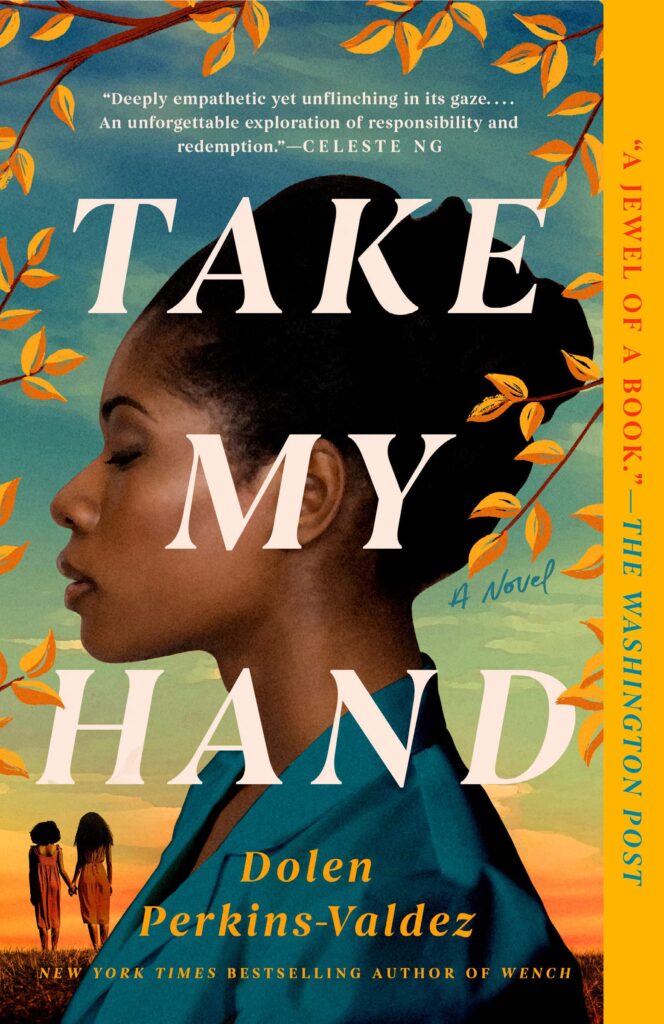
After her graduation from nursing school in 1973, Civil Townsend is excited to start her job at the Montgomery Family Planning Clinic. When her first two patients turn out to be eleven and thirteen-year-old sisters living in a one-room cabin, Civil begins to have concerns about the work the clinic is doing. She becomes increasingly involved with the family, and when tragedy strikes, Civil must decide whether to risk the consequences that come with standing up against the horrible injustices being committed against poor Black girls in the post-segregation South.
Inspired by true events, the novel presents readers with a heartbreaking story about a lesser-known part of American history, shedding light on the pseudo-science of the eugenics movement, racism, classism, and sexism that preyed upon Black families, and Black women in particular.
[Note: While we think this is a powerful novel that addresses important themes, please be aware of the political and social leanings in your community before recommending it.]

Slocumb’s fantastic debut novel tells the story of Ray McMillian, a young Black man preparing for a prestigious international violin competition when he opens the case of his old family fiddle (actually a priceless Stradivarius) to discover a high-top Converse sneaker and a ransom note. In addition to being a compelling page-turner (with a surprising resolution), the novel explores family dysfunction and the challenges of being not only a Black man in America, but a Black man in the world of classical music.
Students who play instruments will love the behind-the-scenes attention to the classical music world and appreciate the years of hard work it takes to get to its highest levels. All readers will fall in love with Ray as he prepares for the International Tchaikovsky Competition while trying to track down the beloved violin that feels like a part of him.
What books for mature young adults do you recommend to your students? What have they shared with you that captured your interest? Do your students ever convince you to pick up a book based on their recommendation? We found our independent reading check-in activity frequently led to us adding books to our TBR lists. Reach out to us at hello@threeheads.works or on Instagram @threeheads.works.
If you haven’t already, be sure to subscribe to our monthly First Chapter Friday Nearpods: we send out FIVE free quick and easy First Chapter Friday activities each month that we think you and your students will love. Looking for YA books to suggest to your students or use for your own FCF activity?
Check out the YA book section of our website for all our recommendations.